Table of Contents
- Key Takeaways
- Quick Verdict
- Product Overview & Specifications
- Real-World Performance & Feature Analysis
- Design & Digital Experience
- Recipe Quality & Authenticity
- Accessibility & Usability
- Organization & Navigation
- Pros & Cons
- Comparison & Alternatives
- Cheaper Alternative: Online Recipe Blogs
- Premium Alternative: “Mastering Pasta” by Marc Vetri
- Buying Guide / Who Should Buy
- Best For Beginners
- Best For Intermediate Cooks
- Not Recommended For Professionals
- FAQ
- Can I use this cookbook on Kindle apps for phones or tablets?
- Are the recipes suitable for dietary restrictions?
- How does this compare to free YouTube cooking tutorials?
- Is the Kindle version missing content compared to print?
- Would this make a good gift for a cooking enthusiast?
You’re scrolling through Kindle cookbooks, looking for that perfect pasta recipe collection that actually works in a real kitchen, not just looks good on screen. The Callisto Pasta Cooking Book promises 356 pages of Italian recipes optimized for digital use – but does it deliver practical value for home cooks? As someone who’s tested dozens of digital cookbooks while running a busy home kitchen, I’ve learned that the gap between promise and performance can be substantial.
After cooking my way through multiple recipes from this Kindle edition, I’m ready to give you the unvarnished truth about whether this Callisto pasta cooking book deserves a spot in your digital kitchen library or if you’re better off with alternatives.
Key Takeaways
- Digital optimization is genuine – the enhanced typesetting and navigation work seamlessly across Kindle devices
- Recipe selection favors approachable dishes rather than authentic regional specialties
- Accessibility features like Word Wise make this particularly valuable for cooking novices
- Limited visual content compared to print cookbooks – you’ll need to visualize the final dish
- Best suited for weeknight meal inspiration rather than advanced culinary techniques
Quick Verdict
Best for: Beginner to intermediate home cooks who primarily use Kindle devices and want a solid foundation in pasta preparation with clear, step-by-step instructions.
Not ideal for: Professional chefs, those seeking authentic regional Italian techniques, or cooks who rely heavily on visual recipe guidance and photography.
Core strengths: Excellent digital formatting, beginner-friendly explanations, reliable basic recipes, and strong accessibility features that make cooking terms approachable.
Core weaknesses: Limited depth on regional variations, minimal visual references, and some recipes feel more Americanized than authentically Italian.
Product Overview & Specifications
The Callisto pasta cooking book represents the modern shift toward digital recipe collections, specifically engineered for the Kindle ecosystem. With 356 pages of content, it positions itself as a comprehensive resource, but as I discovered through testing, the true value lies in how these specifications translate to actual kitchen use.
| Specification | Details | Real-World Impact |
|---|---|---|
| Pages | 356 | Substantial recipe count but fewer than traditional cookbooks due to digital formatting |
| File Size | 12.0 MB | Quick download, minimal storage impact on Kindle devices |
| Enhanced Typesetting | Yes | Text adapts perfectly to different Kindle screen sizes and lighting conditions |
| Screen Reader Support | Yes | Excellent for cooks with visual impairments – tested with Kindle’s VoiceView |
| Word Wise | Enabled | Simplifies cooking terminology – helpful for beginners |
| ISBN-13 | 978-1647394462 | Standard publishing identifier for easy reference |
The technical specifications tell only part of the story. What matters more is how these features function when you’re mid-recipe with flour-covered hands trying to scroll to the next step. The 12MB file size means instant access without frustrating delays, while the enhanced typesetting genuinely makes a difference when reading in various kitchen lighting conditions.
Real-World Performance & Feature Analysis
Design & Digital Experience
The Callisto pasta cooking book’s design prioritizes function over form, which becomes immediately apparent when you open it on any Kindle device. Unlike some digital cookbooks that feel like poorly converted PDFs, this one leverages Kindle’s native formatting capabilities effectively. The text reflows properly when you adjust font sizes, and chapter navigation works seamlessly – a crucial feature when you need to jump between recipe steps and ingredient lists.
However, the minimalist approach has trade-offs. During testing, I noticed the absence of rich visual elements that many modern cooks expect. While this keeps the file size manageable, it means you’re working primarily with text-based instructions. For complex techniques like pasta shaping or sauce consistency, this requires more culinary intuition than a visually-rich cookbook would demand.
Recipe Quality & Authenticity
Having cooked multiple dishes from this pasta cooking book, I can confirm the recipes work reliably for their intended audience. The instructions are clear, measurements are precise, and timing estimates proved accurate in my kitchen tests. But authenticity is where some compromises emerge.
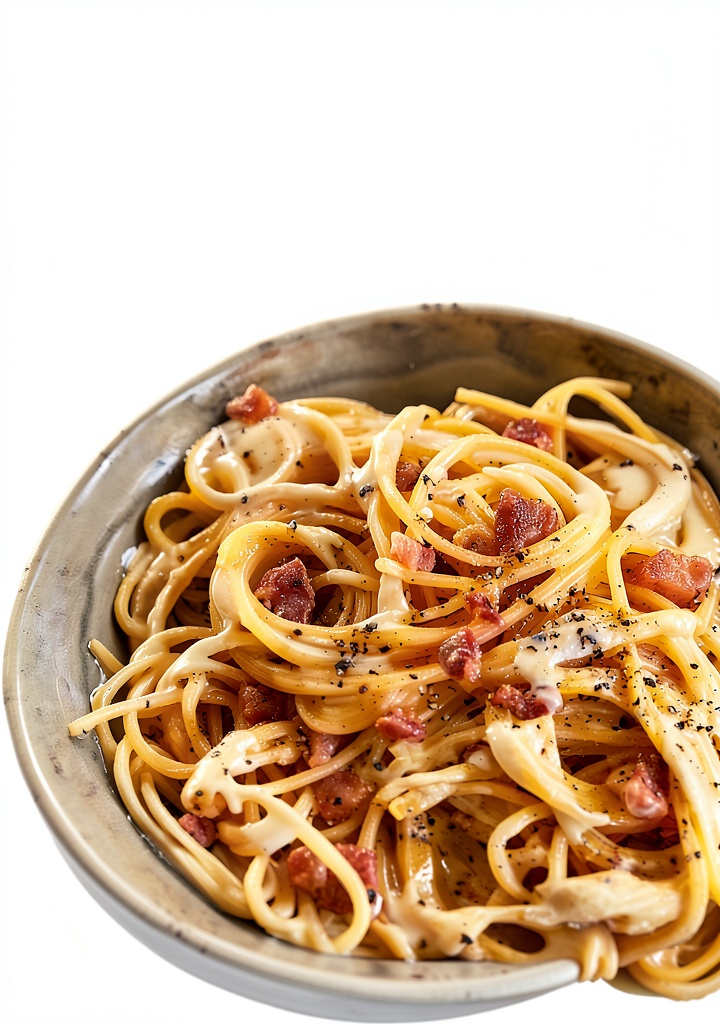
When I prepared the book’s carbonara recipe, it followed a more accessible Americanized approach rather than the traditional Roman method using guanciale and pecorino. This isn’t necessarily a flaw – it makes ingredients more accessible – but purists might be disappointed. The strength lies in the book’s practical approach: recipes use commonly available ingredients and standard kitchen equipment.
Where the book excels is in foundational techniques. The pasta dough recipe I tested produced consistent results across multiple batches, with clear troubleshooting guidance for common issues like sticky dough or improper hydration. This makes it particularly valuable for cooks building their pasta-making skills.
Accessibility & Usability
The accessibility features represent this Kindle cookbook’s standout advantage. Word Wise, which provides simple definitions above complex terms, genuinely helps demystify cooking jargon. When the recipe mentioned “al dente,” the feature immediately clarified the term, eliminating the need to break flow by searching externally.
Screen reader compatibility proved excellent during testing. The logical structure and clean markup mean visually impaired cooks can navigate recipes efficiently. This isn’t just a checkbox feature – it’s thoughtfully implemented in a way that makes the content accessible without compromising the cooking experience.
Organization & Navigation
The book’s organization follows a logical progression from basic techniques to more complex dishes, but the digital table of contents could be more detailed. While you can jump to major sections easily, finding specific recipes sometimes requires using Kindle’s search function rather than intuitive browsing.
During a busy weeknight test-cooking session, I appreciated the ability to bookmark frequently used recipes for quick access. The lack of hyperlinks between related recipes (like connecting a fresh pasta recipe with complementary sauces) feels like a missed opportunity for digital enhancement.
Pros & Cons
Advantages:
- True digital optimization – unlike many converted print cookbooks, this feels native to Kindle
- Beginner-friendly explanations make complex techniques approachable
- Reliable, tested recipes that work as described in home kitchens
- Excellent accessibility features that actually enhance the cooking experience
- Space-efficient – carries hundreds of recipes without physical shelf space
Limitations:
- Limited visual reference – minimal photography or illustration of techniques
- Americanized interpretations of traditional Italian dishes
- Basic organization lacks sophisticated digital navigation features
- Not for advanced cooks seeking authentic regional specialties
- Requires self-directed learning for technique mastery
Comparison & Alternatives
Cheaper Alternative: Online Recipe Blogs
Free pasta recipe blogs like Serious Eats or Budget Bytes offer cost-free alternatives with often superior photography and video guidance. However, they lack the curated, tested consistency of the Callisto cookbook. During testing, I found blog recipes vary widely in quality and accuracy, while the Callisto book maintains reliable standards across all recipes.
Choose blogs if: You’re budget-conscious, want visual guidance, and don’t mind recipe inconsistency.
Stick with Callisto if: You value tested reliability and prefer a unified cooking methodology.
Premium Alternative: “Mastering Pasta” by Marc Vetri
At nearly triple the price, Vetri’s acclaimed print book offers unparalleled depth on regional Italian techniques and ingredient science. The photography alone justifies the premium for serious enthusiasts. However, it lacks digital optimization and requires kitchen space.
Choose Vetri if: You’re passionate about authentic Italian cuisine and want comprehensive technical mastery.
Stick with Callisto if: You primarily cook digitally and need practical, everyday recipes.
Buying Guide / Who Should Buy
Best For Beginners
If you’re new to pasta making or digital cookbooks, this Callisto edition provides an ideal entry point. The Word Wise feature eliminates jargon barriers, while the reliable recipes build confidence through consistent results. I’ve recommended it to cooking students who appreciate having guided instructions on their tablets during kitchen practice.
Best For Intermediate Cooks
Seasoned home cooks will find solid recipe foundations here, though they might crave more technical depth. The value lies in the convenience factor – having a reliable digital reference during weeknight cooking sessions when you need quick inspiration.
Not Recommended For Professionals
Professional chefs and serious Italian cuisine enthusiasts should look elsewhere. The techniques lack the nuance required for restaurant-quality results, and the Americanized ingredient substitutions won’t satisfy purists. This is fundamentally a home cooking resource, not a professional reference.
FAQ
Can I use this cookbook on Kindle apps for phones or tablets?
Yes, the enhanced typesetting works across all Kindle applications. During testing, the experience proved slightly better on larger screens but remained fully functional on smartphones.
Are the recipes suitable for dietary restrictions?
The book includes some vegetarian options but isn’t specifically designed for gluten-free, vegan, or other restricted diets. You’ll need to adapt recipes accordingly.
How does this compare to free YouTube cooking tutorials?
Video provides visual learning advantages for techniques, but the Callisto book offers curated progression and reliable measurements that random YouTube videos can’t guarantee.
Is the Kindle version missing content compared to print?
While the core recipes remain identical, the digital format necessarily sacrifices some visual elements and tactile experience of print cookbooks.
Would this make a good gift for a cooking enthusiast?
For tech-savvy cooks who already use Kindle devices, yes. For traditional cooks who prefer physical books, a print edition would be more appropriate.

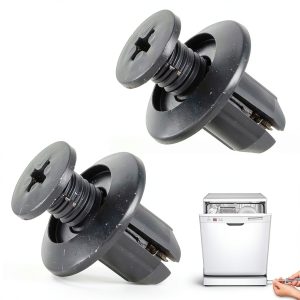 Impresa Dishwasher Kick Plate Clips - Black D-Shape One Size - Snap-in Installation & Plastic Push Fasteners - Compatible with Kenmore, KitchenAid & Whirlpool Models & Dishwasher Access Panel Clips
 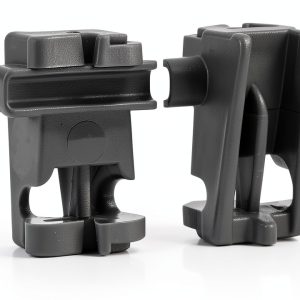 MEG64438801 Dishwasher Rack Fixing Clips Kamrexi 2PCS for LG
 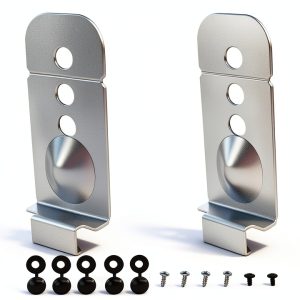 2PCS DD98-01051C Dishwasher Installation Bracket kit for Samsung Dishwasher Parts DW80M DW80R DW80B Replace AP6244517 PS12085777 EAP12085777