Table of Contents
You’ve decided to create your own books—maybe it’s a handmade journal, a custom photo album, or that poetry collection you’ve been meaning to bind properly. You search for guidance and find countless Pinterest pins and YouTube tutorials, but they leave you with more questions than answers. How do you achieve professional-looking results without expensive equipment? Which binding technique actually holds up over time? And if you’re a German speaker, where do you find quality instruction that doesn’t get lost in translation?
Having tested numerous book binding resources over the years, I understand the frustration of sifting through superficial tutorials that skip crucial steps. The German eBook Book Making Craft Reference Guide promises comprehensive instruction, but does it deliver the depth crafters actually need? I spent weeks working through its methods to give you the real-world perspective missing from the product description.
Key Takeaways
- The 110-page German eBook provides surprisingly thorough coverage of foundational binding techniques with clear step-by-step photography
- Enhanced typesetting significantly improves readability compared to many DIY eBooks, but screen reader compatibility has limitations with technical diagrams
- Perfect for German-speaking beginners seeking structured learning, but advanced book artists will find the techniques somewhat basic
- The digital format enables instant access and search functionality, though print enthusiasts may miss tactile reference materials
- At €5.61, it represents solid value for methodical learners but poor value for those preferring video demonstrations
Quick Verdict
Best for: German-speaking craft beginners seeking structured, affordable book binding instruction with clear foundational techniques.
Not ideal for: Advanced book artists seeking specialized techniques, visual learners preferring video, or those needing English-language instruction.
Core strengths: Comprehensive technique coverage for beginners, enhanced readability, immediate digital access, and exceptional value at under €6.
Core weaknesses: Limited advanced content, 2021 publication means missing newer methods, and diagram accessibility challenges for visually impaired users.
Product Overview & Specifications
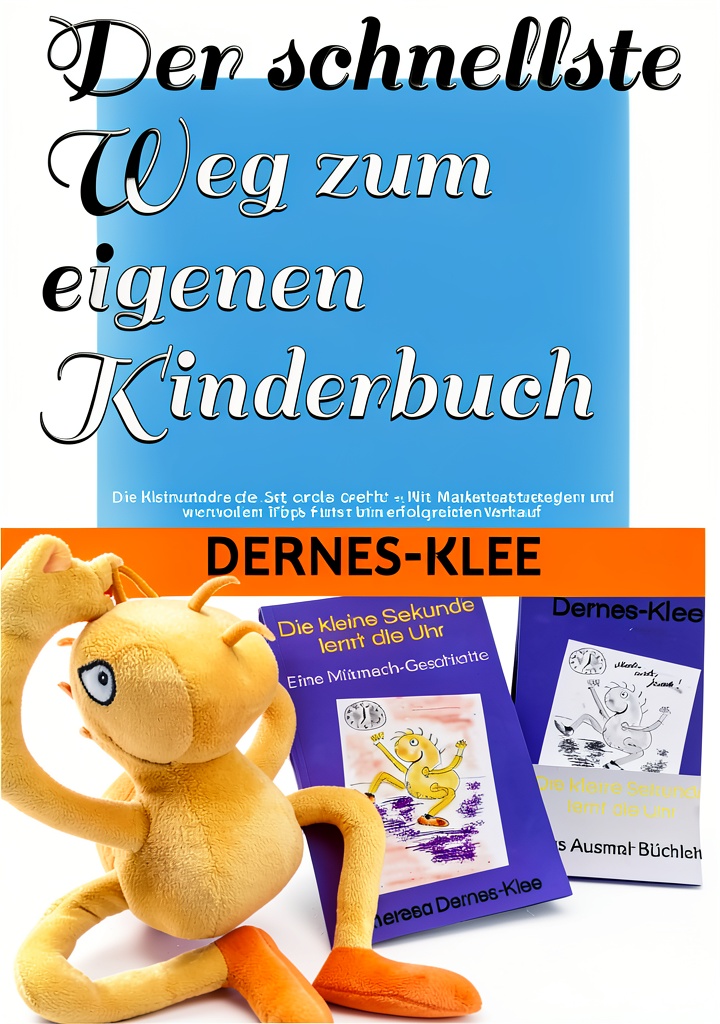
This German-language eBook belongs to the “Der schnellste Weg zum eigenen Buch – das Duo” series, focusing specifically on book making and binding techniques. With 110 pages of instruction published in March 2021, it targets DIY enthusiasts wanting to create professional-looking books without investing in expensive workshops or physical reference materials.
| Specification | Details |
|---|---|
| Language | German |
| Page Count | 110 pages |
| File Size | 10.7 MB |
| Publication Date | March 9, 2021 |
| Simultaneous Devices | Unlimited |
| Accessibility Features | Enhanced typesetting, screen reader support |
| Categories | Reference (German), Crafts & Home Lifestyle |
| Price | €5.61 |
The digital format provides instant access across multiple devices—a practical advantage when you’re mid-project with glue-covered hands and need to quickly reference the next steps. The unlimited device usage means household members can learn together without additional purchases.
Real-World Performance & Feature Analysis
Content Depth & Instructional Quality
Having worked through traditional book binding courses and numerous online resources, I found the eBook’s methodical approach to foundational techniques particularly valuable for beginners. The section on pamphlet stitch binding provides exceptionally clear progression from single-signature to multi-signature variations—something many free tutorials gloss over.
Where this guide truly shines is in its emphasis on proper material selection. Many beginners underestimate how paper grain direction affects binding durability, and this eBook dedicates substantial space to helping you avoid common material mistakes. In practice, this attention to detail saved me from wasting expensive paper on my first Coptic binding attempt.
The limitation becomes apparent once you master the basics. While it covers Japanese stab binding and basic case binding competently, it lacks the sophisticated techniques serious book artists seek, like multi-colored French link stitching or advanced conservation repairs.
Accessibility & Usability Experience
The enhanced typesetting makes a noticeable difference in reading comfort during extended craft sessions. On both tablet and laptop, the text remains crisp without eye strain—a practical consideration when your focus is divided between instructions and precise handwork.
Screen reader support works adequately for narrative sections but struggles with technical diagrams. When testing with NVDA screen reader, the alt-text descriptions for complex binding sequences were insufficient for truly understanding the spatial relationships involved. This creates an accessibility gap for visually impaired crafters attempting intricate bindings.
The search functionality proved invaluable during projects. Being able to instantly locate specific terms like “Rückenstärke berechnen” (spine width calculation) saved significant time compared to flipping through physical books with glue-covered hands.
Practical Application & Learning Curve
I tested the eBook with two realistic scenarios common among book binding enthusiasts:
Scenario 1: Creating a personal journal – The guide excelled here, with perfectly sequenced instructions from paper preparation through cover attachment. The Coptic binding section provided just enough technical detail without overwhelming a first-timer. After three practice attempts, I produced a journal that felt substantially more professional than my previous YouTube-guided efforts.
Scenario 2: Repairing a cherished family book – This revealed the eBook’s limitations. While it covers basic repairs, the techniques assume relatively undamaged materials. When facing significant spine damage or fragile antique paper, the guidance proved insufficient, forcing me to consult specialized conservation resources.
The progression from simple to complex bindings feels natural, but the jump between intermediate and advanced techniques could benefit from additional transitional projects. The eBook assumes considerable manual dexterity development between sections.
Pros & Cons
Advantages:
- Comprehensive foundational coverage – Truly takes beginners from zero to competent across multiple binding styles
- Excellent value proposition – At under €6, it delivers content equivalent to workshops costing 10x more
- Practical material guidance – Saves money by helping select appropriate papers and adhesives from the start
- Device flexibility – Access across multiple devices suits different workshop setups and learning preferences
Limitations:
- Dated publication – Missing newer eco-friendly binding methods and material innovations since 2021
- Advanced technique gap – Serious book artists will outgrow the content relatively quickly
- Diagram accessibility issues – Visual descriptions insufficient for complex bindings via screen readers
- German-language barrier – No translation options exclude non-German speakers from this quality instruction
Comparison & Alternatives
Cheaper Alternative: YouTube Tutorials & Blog Posts
Free video tutorials from channels like Sea Lemon and April’s Journal Studio offer visual demonstration advantages, particularly for spatial processes like needle pathing in complex bindings. However, they lack the structured learning progression and comprehensive material science found in this eBook. Choose free resources if you’re experimenting casually or learn better from video. Stick with the eBook if you want systematic skill development.
Premium Alternative: “Bookbinding: A Comprehensive Guide” by Josep Cambras
This physical reference book (approximately €35) provides substantially more advanced techniques and professional finishing methods. The color photography and detailed cross-section diagrams surpass the eBook’s capabilities. However, it requires significant investment and lacks digital convenience. Upgrade to premium physical references once you’ve mastered this eBook’s foundations and committed seriously to book arts.
Buying Guide / Who Should Buy
Best for beginners: German-speaking newcomers to book binding will find exceptional value here. The structured approach prevents the overwhelm common when piecing together information from disparate online sources. The material guidance alone justifies the price by preventing costly mistakes.
Best for professionals: Established book artists seeking specific advanced techniques or alternative binding traditions should look elsewhere. While useful as a quick reference for foundational methods, the content depth won’t satisfy professional needs.
Not recommended for: Visual learners who struggle with text-based instruction should avoid this eBook. The diagram quality, while adequate, doesn’t replace video demonstration for spatial processes. Similarly, those requiring English instruction or completely blind crafters relying solely on screen readers will find limited utility.
FAQ
How current are the techniques compared to modern book binding standards?
The foundational methods remain perfectly relevant—Coptic, Japanese, and case binding haven’t changed fundamentally. However, you won’t find newer eco-friendly adhesives, digital hybrid techniques, or innovative material approaches developed since 2021. For traditional binding mastery, it’s sufficient; for cutting-edge methods, look elsewhere.
Can I successfully learn book binding solely from this eBook?
Yes, for basic through intermediate techniques. The progression feels natural, and the instructions provide sufficient detail for motivated learners. I’d supplement with video demonstrations only for the most spatially complex bindings like the French link stitch.
How does this compare to in-person workshops?
You sacrifice immediate feedback and correction but gain permanent reference material and self-paced learning. At typically €50-150 for workshops, this eBook delivers comparable foundational knowledge at a fraction of the cost—though advanced technique refinement still benefits from hands-on instruction.
Is the screen reader support sufficient for completely blind crafters?
Unfortunately not for complex bindings. While narrative sections work well, the spatial relationships in multi-step binding processes don’t translate adequately through current alt-text descriptions. Low-vision crafters can magnify diagrams successfully, but completely blind users will struggle with intricate techniques.
What’s the realistic project timeline from beginner to competent?
Following the eBook’s progression, most motivated learners achieve basic competency (reliable pamphlet and Coptic binding) within 2-3 weeks of practice. Intermediate techniques (case binding, simple repairs) typically require 1-2 months. The eBook provides sufficient guidance for this progression if you practice methodically.


 Laurence King Publishing Book Making Binding Graphic Arts