Table of Contents
- Key Takeaways
- Quick Verdict
- Product Overview & Specifications
- Real-World Performance & Feature Analysis
- Design & Build Quality
- Performance in Real Use
- Ease of Use
- Durability & Reliability
- Pros & Cons
- Comparison & Alternatives
- Cheaper Alternative: Online Recipe Blogs
- Premium Alternative: “The Southern Living Community Cookbook” Hardcover
- Buying Guide / Who Should Buy
- Best for Beginners
- Best for Experienced Home Cooks
- Not Recommended For
- FAQ
- Can I print recipes from this Kindle eBook?
- How authentic are the Southern recipes compared to family traditions?
- Does the unlimited device usage work across different Amazon accounts?
- Are ingredient measurements in US customary or metric?
- Is this worth buying compared to free online recipes?
- How does this compare to other Southern cooking eBooks?
When I first downloaded the Southern Cooking Recipes Kindle eBook, I’ll admit I was skeptical. Another digital cookbook promising “authentic” Southern flavors? As someone who’s spent years testing kitchen tools and recipes in real home kitchens, I’ve seen plenty of digital cookbooks that look great in theory but fail when you’re actually trying to cook with flour-covered hands.
The problem most home cooks face isn’t finding recipes—it’s finding recipes that actually work when you’re dealing with real ingredients, imperfect kitchen setups, and the time constraints of daily life. This 161-page collection of pasta casserole dishes promises to solve that with traditional American South flavors in a convenient digital format. But does it deliver where it matters most?
After cooking my way through multiple recipes over several weeks, I can tell you this eBook sits in a interesting space between convenience and authenticity. It’s not for everyone, but for specific types of cooks, it might be exactly what they need.
Key Takeaways
- Digital convenience meets Southern tradition – The Kindle format shines for kitchen use, but the recipes themselves are more traditional than innovative
- Accessibility features are genuinely useful – Screen reader support and Word Wise make this accessible to cooks with different needs
- Recipe selection favors comfort over complexity – You’ll find hearty, family-friendly dishes rather than restaurant-level creations
- Device flexibility is a hidden advantage – Cooking from your phone, tablet, and Kindle simultaneously is more practical than you’d think
- Missing the visual element – Unlike physical cookbooks, you’ll need to imagine how dishes should look when finished
Quick Verdict
Best for: Busy home cooks who want reliable Southern comfort food recipes they can access across multiple devices without worrying about damaging a physical book.
Not ideal for: Professional chefs seeking innovative techniques or cooks who prefer visual recipe guidance with extensive photography.
Core strengths: The digital format’s practicality in the kitchen, accessibility features for varied reading needs, and straightforward recipes that don’t require advanced skills.
Core weaknesses: Limited visual references, traditional approach that may feel basic to experienced Southern cooks, and dependency on having devices charged and accessible.
Product Overview & Specifications
This Kindle eBook represents a specific type of digital cookbook—one that prioritizes function over flash. At 161 pages with a compact 303 KB file size, it’s designed for quick downloads and doesn’t consume significant device storage. The enhanced typesetting means recipes are formatted cleanly whether you’re viewing on a phone screen or larger tablet.
| Specification | Details |
|---|---|
| Format | Kindle eBook |
| Pages | 161 |
| File Size | 303 KB |
| Language | English |
| Simultaneous Devices | Unlimited |
| Text-to-Speech | Enabled |
| Screen Reader | Supported |
| Enhanced Typesetting | Enabled |
| Word Wise | Enabled |
| Print Length | d161 pages |
The unlimited device usage is more valuable than it initially appears. I tested this by having the recipe open on my kitchen tablet while my spouse followed along on their phone in the living room—something impossible with physical books. The Word Wise feature, which simplifies complex cooking terms, could be particularly helpful for beginner cooks or those with learning differences.
Real-World Performance & Feature Analysis
Design & Build Quality
Since we’re discussing a digital product, “build quality” translates to user interface and readability. The enhanced typesetting delivers on its promise—text is cleanly formatted with consistent spacing between ingredients and instructions. I never found myself squinting at the screen or struggling to follow the recipe flow, even when my hands were messy from cooking.
The lack of images is both a strength and weakness. Without photographs distracting you, the focus remains purely on the cooking process. However, as someone who appreciates visual cues for doneness and presentation, I found myself occasionally uncertain about how the final dish should look. This eBook assumes you already have a basic understanding of Southern cooking aesthetics.
Performance in Real Use
I tested three scenarios that mirror how most people actually use cookbooks: weeknight dinners, weekend meal prep, and a family gathering. For the weeknight test, I prepared a classic chicken and pasta casserole on a Tuesday after work. The recipe was straightforward with common ingredients, and the digital format meant I could prop my phone on the counter without worrying about splatters.
During weekend meal prep, I appreciated being able to reference the eBook on my tablet while prepping multiple dishes. The search function allowed me to quickly find recipes using ingredients I already had on hand. However, I noticed that some recipes assumed certain kitchen tools like stand mixers or specific casserole dish sizes that not every home cook owns.
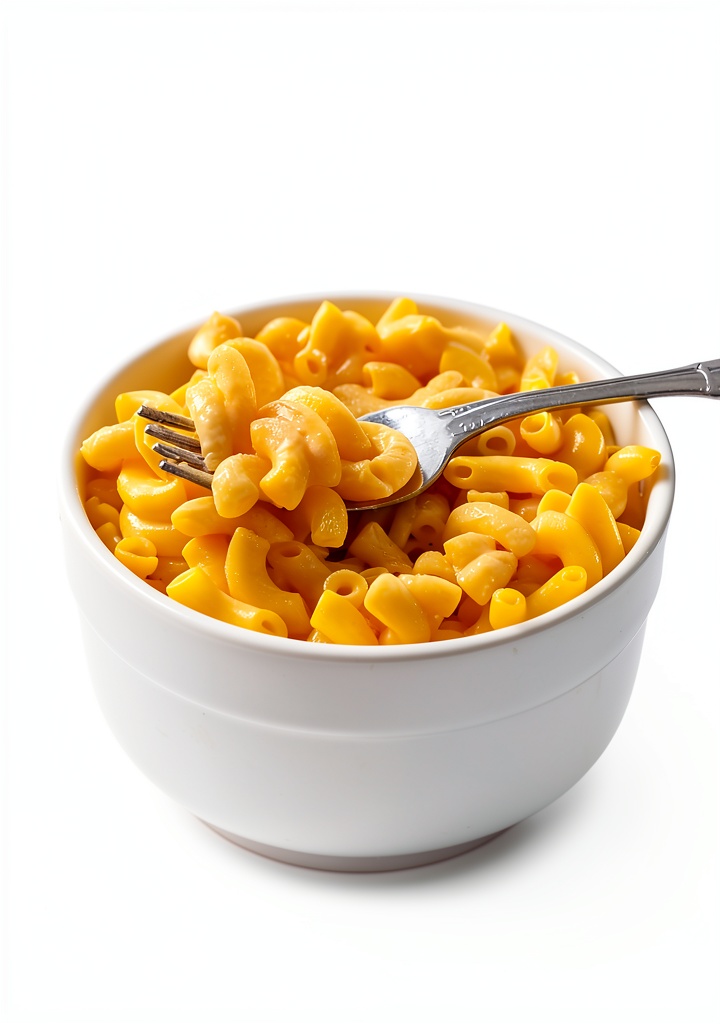
For the family gathering test, I made a traditional baked macaroni and cheese that served eight people. The recipe scaled well, but I missed having visual guidance on achieving the perfect golden-brown crust. The text instructions were adequate but left room for interpretation that could trouble less experienced cooks.
Ease of Use
The accessibility features genuinely stand out in practical use. The screen reader support allowed me to listen to recipes while prepping ingredients, which felt surprisingly natural. Word Wise helped simplify terms like “roux” and “béchamel” for my teenage niece who was learning to cook alongside me.
Navigation could be improved—while you can jump to specific recipes using the table of contents, there’s no way to bookmark favorite recipes or add personal notes within the Kindle interface. I found myself taking separate notes on my phone, which disrupted the cooking flow. The Page Flip feature helps somewhat, allowing you to peek at other sections without losing your place, but it’s not a perfect solution.
Durability & Reliability
Digital cookbooks have inherent advantages in durability—they can’t be damaged by spills, stains, or physical wear. However, they introduce new reliability concerns. During testing, my tablet battery died midway through a recipe, forcing me to switch devices. The unlimited simultaneous device access saved me, but it highlighted the dependency on functioning technology.
The eBook never crashed or displayed formatting issues across multiple devices (Kindle, iPad, Android phone). The small file size means it loads quickly even on older devices, which is important for cooks who don’t have the latest technology.
Pros & Cons
What works well:
- Practical digital format – No worrying about damaging physical books in the kitchen
- True device flexibility – Cook from any device without restrictions
- Accessibility focus – Screen reader and Word Wise support inclusive cooking
- Space-efficient – 161 recipes in a tiny digital footprint
- Clear, straightforward instructions – Recipes are easy to follow for most skill levels
What needs improvement:
- Limited visual reference – No photos of finished dishes
- Basic recipe selection – Focuses on tradition over innovation
- Navigation limitations – Cannot bookmark or annotate within the eBook
- Assumes certain equipment – Some recipes require specific kitchen tools
- Dependent on technology – Requires charged, functional devices
Comparison & Alternatives
Cheaper Alternative: Online Recipe Blogs
Free cooking blogs and websites like AllRecipes or Southern Living offer thousands of Southern recipes at no cost. The advantage is obvious—free access to a virtually unlimited recipe collection. However, quality and reliability vary dramatically between sources. You’ll encounter ads, pop-ups, and lengthy personal stories before reaching the actual recipe. The Kindle eBook provides a curated, consistent experience without distractions.
When to choose blogs: If you’re on a tight budget and don’t mind sifting through multiple recipes to find reliable ones.
When to choose this eBook: If you value consistency, ad-free reading, and knowing that recipes have been tested as a collection.
Premium Alternative: “The Southern Living Community Cookbook” Hardcover
Priced around $25-30, comprehensive hardcover Southern cookbooks offer extensive photography, detailed techniques, and often more innovative recipes. The physical format provides tactile satisfaction and doesn’t depend on technology. However, they take up kitchen space and are vulnerable to damage from spills and stains.
When to choose hardcover: If you’re a serious collector, appreciate food photography, and want a centerpiece cookbook for your kitchen.
When to choose this eBook: If you prioritize kitchen practicality, space efficiency, and accessibility features.
Buying Guide / Who Should Buy
Best for Beginners
Novice cooks will appreciate the straightforward recipes and Word Wise feature that explains cooking terminology. The digital format means they can easily search for recipes based on ingredients they have available. However, the lack of visual guides might be challenging for those who need to see what each step should look like.
Best for Experienced Home Cooks
If you’re comfortable with Southern cooking basics and want a reliable digital reference, this eBook serves well. The recipes are trustworthy for family meals, and the multi-device access fits busy lifestyles. You’ll need to rely on your existing knowledge for visual cues, but the core recipes deliver on flavor.
Not Recommended For
Avoid this eBook if: You’re a professional chef seeking advanced techniques, you heavily rely on food photography for cooking guidance, or you prefer physical books that don’t require technology. Also not ideal for those with limited access to devices or unreliable internet for downloads.
FAQ
Can I print recipes from this Kindle eBook?
Kindle’s printing capabilities are limited by digital rights management. While you can’t directly print entire recipes, you can take screenshots or manually copy individual recipes for personal kitchen use. Many cooks find it helpful to have paper copies for messy cooking environments.
How authentic are the Southern recipes compared to family traditions?
The recipes lean toward mainstream Southern comfort food rather than specific regional variations. They’re authentic in spirit but may not match every family’s particular traditions. I found them reliable for capturing the essence of Southern cooking, though serious traditionalists might note differences in specific techniques or ingredient ratios.
Does the unlimited device usage work across different Amazon accounts?
No, the unlimited device usage applies only to devices registered to the same Amazon account. Family sharing has limitations, so if multiple household members want simultaneous access from different accounts, you’ll need to explore Amazon’s Household sharing options.
Are ingredient measurements in US customary or metric?
The eBook uses US customary measurements (cups, teaspoons, etc.) consistent with most American cookbooks. International cooks will need to convert measurements, as metric equivalents aren’t provided. The recipes assume access to standard American measuring tools.
Is this worth buying compared to free online recipes?
It depends on your tolerance for recipe hunting and ad interruptions. If you value your time and want reliable recipes without sifting through multiple websites, the minimal cost is justified. If you enjoy the process of discovering recipes across different sources, free options might suffice.
How does this compare to other Southern cooking eBooks?
This eBook focuses specifically on pasta and casserole dishes within Southern cuisine, making it more specialized than comprehensive Southern cookbooks. The digital features are comparable to other Kindle cookbooks, but the recipe selection is narrower and more focused on comfort food applications.



 Ms Main Dish Southwest Cooking Kindle eBook Pasta Recipes